Living Better Through Liver Cancer Treatment: How Ayurvedic Supportive Care Can Help Manage Symptoms
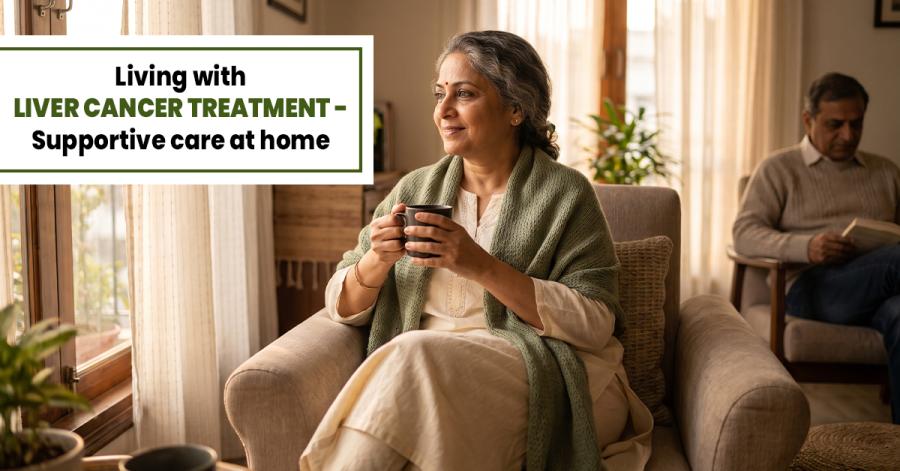
A Diagnosis Changes More Than Just Your Treatment Plan
A liver cancer diagnosis brings a flood of medical decisions — but it also brings a quieter, harder question: how do I get through this day to day? Between chemotherapy cycles, scans, and appointments, many patients and caregivers find that the symptoms of treatment — nausea, exhaustion, loss of appetite, disrupted sleep — can feel just as overwhelming as the diagnosis itself.
This is where Ayurvedic supportive care has a role to play. Not as a replacement for oncology treatment, but as a complementary layer of care focused on one thing: helping the body and mind cope better while modern medicine does the work of treating the cancer itself.
In this guide, you'll learn what Ayurvedic supportive care actually involves, which symptoms it's commonly used to help manage, and how to bring it into your treatment plan safely — without ever stepping away from your oncologist's care.
What Is Ayurvedic Supportive Care, and Where Does It Fit?
Ayurvedic supportive care refers to traditional practices — dietary guidance, herbal formulations, and lifestyle routines — used alongside conventional cancer treatment to help manage side effects and support overall wellbeing. It does not target the tumor itself. Its role is to support the patient through the experience of treatment.
This distinction matters. Liver cancer treatment — whether surgery, chemotherapy, targeted therapy, or radiation — is decided and managed by your oncology team based on your specific diagnosis and stage. Ayurvedic supportive care sits alongside that plan, addressing the day-to-day burden of side effects, not the disease itself.

Why This Distinction Matters for Liver Patients Specifically
The liver processes nearly everything that enters the body, including herbal supplements. For someone already managing liver cancer, this means supportive therapies need to be chosen with extra caution and always discussed with the treating oncologist first—some herbs can interact with chemotherapy or place additional strain on liver function.
Managing Nausea and Digestive Discomfort During Treatment
Nausea is one of the most common and disruptive side effects of cancer treatment, particularly chemotherapy. It can make eating difficult, disrupt sleep, and add to overall fatigue, creating a cycle that's hard to break.

Ayurvedic approach to nausea support: Traditional Ayurvedic practice often uses warm, lightly spiced foods and specific herbal preparations believed to settle digestion. It works by focusing on easily digestible meals and gentle digestive support rather than heavy or cold foods. Most commonly used alongside anti-nausea medication prescribed by the oncology team, not in place of it.
Simple measures often recommended include eating smaller, more frequent meals, favoring warm over cold food and drink, and avoiding strong odors during periods of nausea. Any herbal addition — including common ones like ginger — should be cleared with your oncologist first, since even mild herbs can interact with certain chemotherapy drugs.
Supporting Energy Levels and Fighting Treatment Fatigue
Cancer-related fatigue is different from ordinary tiredness. It doesn't always improve with rest, and it can affect a patient's ability to manage daily tasks or stay engaged with family and routine life.
Ayurvedic approach to fatigue support: Supportive Ayurvedic routines for fatigue typically center on consistent daily rhythm — regular sleep and wake times, light movement when possible, and nourishing, easy-to-digest meals. It works by reducing additional strain on the body's energy reserves rather than artificially boosting them. Most commonly used as a daily lifestyle structure rather than a single remedy.

Gentle Movement, Not Strenuous Exercise
Light activity — short walks, gentle stretching — is sometimes encouraged on days when the patient feels able, always within limits set by the care team. This is about maintaining some mobility and mood benefit, not building fitness.
Rest Without Guilt
Equally, Ayurvedic supportive frameworks emphasize that rest during active treatment is appropriate and necessary — not something to push through.
Helping With Appetite Loss and Nutritional Decline
Weight loss and appetite loss are common during liver cancer treatment and can affect a patient's strength and ability to tolerate further treatment cycles. This is an area where supportive care and the oncology nutrition team often work closely together.

Ayurvedic approach to appetite support: Traditional guidance focuses on small, frequent, flavorful meals served warm, often introducing mild digestive spices like cumin or fennel believed to gently stimulate appetite. It works by making meals more appealing and easier to digest in small quantities. Most commonly used in coordination with a clinical dietitian's recommendations, especially important for liver patients who may have specific dietary restrictions.
A liver cancer patient's nutritional needs are highly individual and can shift through treatment. Any dietary changes — Ayurvedic or otherwise — should be reviewed with the hospital's oncology dietitian to make sure they fit safely within the broader treatment plan.
Easing Treatment-Related Stress and Sleep Disruption
The emotional weight of a cancer diagnosis, combined with the physical disruption of treatment, often affects sleep and mental well-being. Patients and families both carry this burden.

Ayurvedic approach to stress and sleep: Supportive routines often include calming evening practices — warm oil self-massage, gentle breathing exercises, and consistent wind-down rituals before sleep. It works by signaling the body toward rest through routine and relaxation rather than sedation. Most commonly used as a nightly practice rather than an as-needed intervention.
These practices are generally considered low-risk as lifestyle additions, but patients should still mention them to their care team, particularly if combined with prescribed sleep aids or anti-anxiety medication.
A Note on Safety: Always Loop In Your Oncologist
This is the single most important piece of guidance in this entire article: no Ayurvedic herb, formulation, or supplement should be started during liver cancer treatment without your oncologist's knowledge and approval.

The liver is the organ responsible for metabolizing most herbal compounds, and a liver already under the strain of cancer and treatment is in a uniquely sensitive position. Some herbs can interfere with how chemotherapy drugs are processed, either weakening their effect or increasing toxicity. The safest approach is full transparency — bring any supportive therapy you're considering to your oncology team and ask directly whether it's safe alongside your specific treatment.
Bringing It Together: Supportive Care as a Partnership
Ayurvedic supportive care isn't about choosing between traditional and modern medicine — it's about using both in the right roles. Oncology treats the cancer. Supportive care helps the person living through that treatment feel a little more like themselves day to day: eating a little easier, sleeping a little better, getting through the fatigue with more steadiness.
The three things worth remembering: supportive care works alongside your oncology plan, never in place of it; every addition — herbal, dietary, or otherwise — needs your care team's sign-off, especially given how directly liver function is involved; and the goal throughout is comfort and quality of life during treatment, not treating the cancer itself.
Want Guidance on Building a Safe, Supportive Care Routine?
If you or a family member are navigating liver cancer treatment and want to explore safe, oncologist-aware supportive care options, book a free consultation with our team to talk through what might help.
Book a Free Consultation → https://healthreactive.co/bodyrevival/
NOTE: This article is intended for general informational purposes only and does not constitute medical advice. Always consult your oncologist or treating physician before starting any complementary or supportive therapy during cancer treatment.